

Is your ceiling dripping and you’re scrambling for a quick temporary roof leaking fix before water damage spreads? Every homeowner in Mesa, AZ dreads that first ominous drip during monsoon season—or the slow, expanding stain that means water has already taken a winding path through insulation and drywall. When your leaking roof surprises you, acting fast with the right temporary roof leak fix is crucial. But not all “quick fixes” are equal—many common DIY tricks actually make leaks worse or may be dangerous, especially on Mesa’s unique tile and flat roofs.
The real goal? Stop water intrusion with a reliable temporary fix, limit interior damage, and then schedule a professional roof repair. In this guide, you’ll learn which temporary repairs you can trust, what to avoid, and why safety always comes first—never risk climbing on a wet or steep roof during a storm. Read on for fast, proven steps (plus Mesa-specific tips) to get you through the next desert downpour with confidence.
Urgency, Safety, and Your Fastest Temporary Roof Leaking Fix (Mesa, AZ)
“Roof leaks rarely drip straight down; water can take a surprising path through insulation and drywall before you even spot the first drop.”
-
Leaks often disguise the real damage—acting quickly with the right temporary roof leak fix is critical.
-
Goal: Limit water damage NOW, then plan permanent repair.
-
Safety: Never climb a wet/steep leaking roof during a storm; prioritize personal safety over everything.

What You’ll Learn: Essential Temporary Roof Leak Fixes and What to Avoid (Plus Local Mesa Considerations)
-
The five-minute damage-control checklist before any fix
-
Six temporary roof leak fixes proven to work
-
Which five quick fixes usually fail (and why)
-
How to spot a true roof leak emergency
-
What a professional roof leak inspection offers
-
Mesa roof issues: wind-driven rain, tile roof quirks, and local climate challenges
Before You Do Anything: The 5-Minute Damage-Control Checklist for a Temporary Roof Leak Fix
If you’ve just discovered a leaking roof, your first move isn’t to climb up onto your tile or flat roof. Instead, grab what you need to protect your home’s interior and minimize risk. This simple five-minute checklist can prevent extensive water damage and help set the stage for a more permanent solution later:
-
Catch/drain water using buckets and towels. If a ceiling bubble is visible and safe to access, gently poke a small hole with a screwdriver to control the flow. This prevents a ceiling collapse, but only act if it’s safe—otherwise, leave it for a professional.
-
Move valuables and unplug electronics in the area beneath the leaking roof. Even a tiny roof leak can quickly damage furniture, carpet, and your electrical system.
-
Take clear photos and videos of all leaks, drips, and water stains. This is crucial for your insurance claim and helps any roofing professional see the situation before arriving.
-
Ventilate the room as soon as the leak stops—use fans and a dehumidifier to reduce mold risk. Letting damp air linger is a quick way for a minor leak to become a big water damage claim.
-
Mark leak locations in your home. Use tape, a sticky note, or a photo app pin. Roof water can enter in one spot and drip far away—marking the interior helps pros trace the path and deliver a faster, more effective permanent solution.
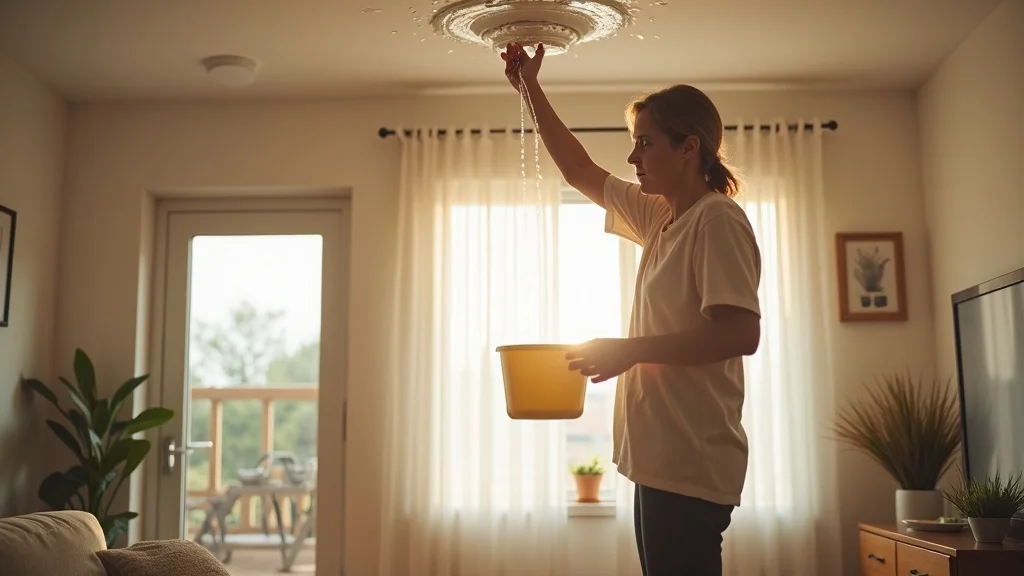
Table: Quick Comparison of Temporary Roof Leak Fix Methods
| Method | Pros | Cons | Best For | Estimated Duration |
|---|---|---|---|---|
| Tarping | Fast, effective, widely recommended | Requires dry setup, not for steep roofs | Larger leaks | 24–72 hours |
| Roof Cement | Good adhesion, targets cracks/flashing | Only on dry areas, temp solution | Flashing gaps, exposed fasteners | 24–48 hours |
| Roofing Tape | Rapid, easy for small holes/seams | Won’t adhere to very dirty/granulated surfaces | Minor punctures, seams | 24–48 hours |
| Replace Tile | Stops water under loose tiles | Requires expertise, not DIY-friendly | Slipped/broken tile roofs | Until pro repair |
| Pro-Directed Draining | Prevents ceiling collapse from pooling | Risk if not careful | Bulging drywall | Immediate/short-term |
| Contain & Dry | Reduces long-term damage | Not a fix, just buys time | Any interior leak | Until pro repair |
6 Temporary Roof Leak Fixes That Actually Work (for Tile, Shingle, and Flat Roofs)
1. Tarp the Roof (Top-Rated Temporary Roof Leak Fix in Mesa, AZ)
-
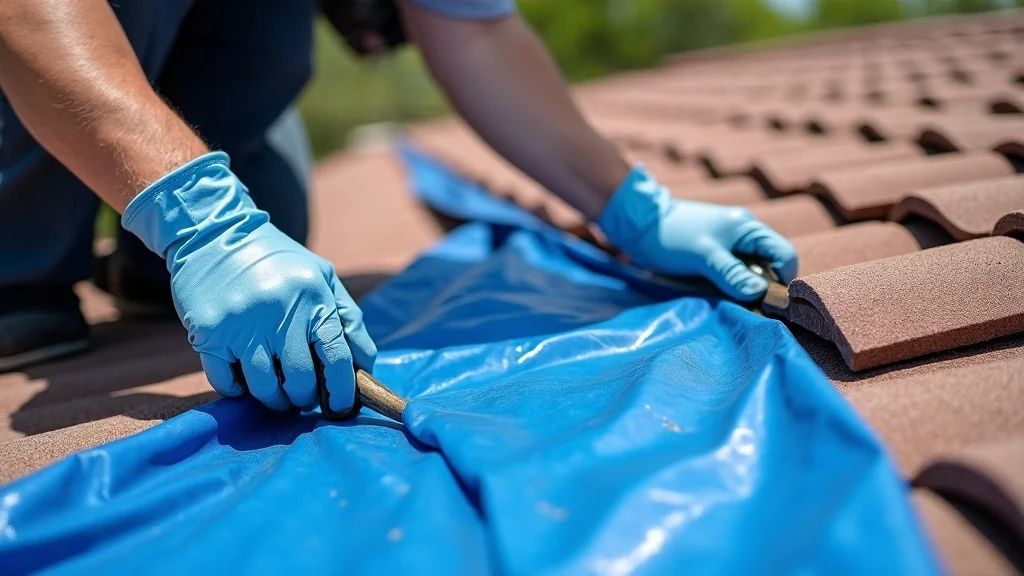
Use a heavy-duty tarp large enough to cover your leak area and extend as high as the ridge line if possible for the most durable temporary coverage.
-
To secure your tarp, sandwich the edge with wood strips—like 1x2s—and screw directly into the roof deck only if it’s dry and safe. Fasten snugly but don’t over-tighten on tile or fragile materials.
-
Important Mesa tip: Wait for dry, daylight weather to apply your tarp. Monsoon storms bring high wind and slick conditions—a steep, dusty, or wet roof is unsafe for any diy fix. The tarp should be temporary, just until your pro arrives.
2. Seal from the Outside Using Roofing Cement on Roof Leaks
-
Roofing cement is a reliable choice for small cracks, gaps around roof flashing, and exposed fasteners—perfect for stopping water at a small gap or flashing joint.
-
Application note: Only use on clean, dry or slightly damp surfaces. Rain, monsoon dust, or excessive roof heat can weaken the bond. For shingle, tile, or galvalume roofs in Mesa, check adhesion after temperatures drop as roofing cement can soften in extreme sun.
3. Patch Small Holes with Roofing Tape (Butyl or Bitumen Strips)
-
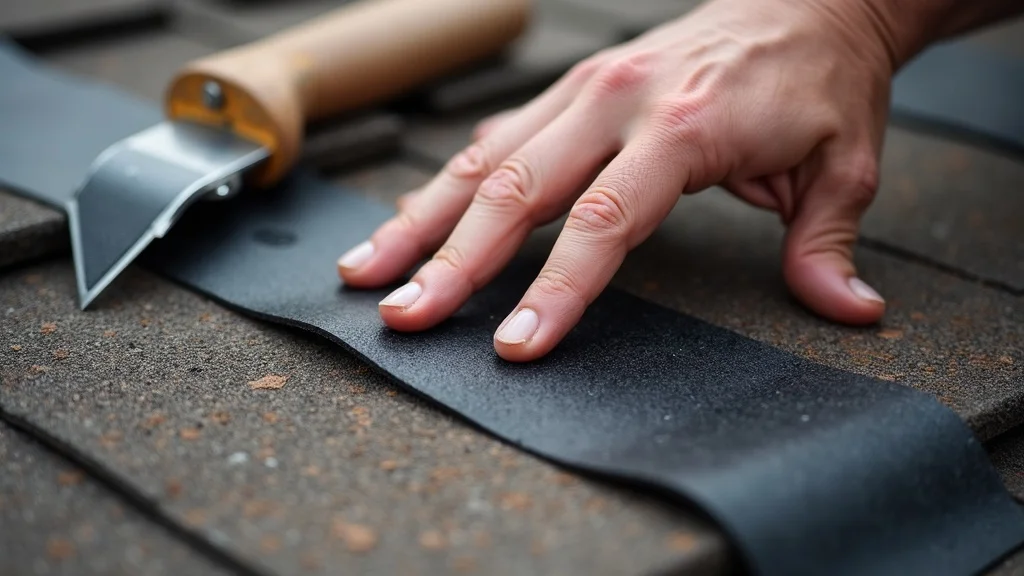
Roofing tape is a fantastic quick fix for minor seams, split flashing, or small punctures in shingle and flat roofing felt. It’s sold at any local hardware store as butyl or bitumen strips.
-
Apply by pressing the tape down hard and overlapping the edges for a water-tight seal. Avoid using on very dusty or granulated areas; tape needs a clean surface for the best hold.
-
Mesa tip: Choose UV-resistant roofing tape, as our sun will quickly deteriorate lesser products. This method works well for a short-term patch during a roof leak emergency.
For homeowners who want to go beyond just a quick patch, understanding the full range of repair and prevention strategies can make a big difference. You’ll find a detailed breakdown of both DIY and professional solutions in the Mesa AZ roof leak repair and prevention guide, which covers step-by-step tips for lasting results.
4. Replace or Re-Seat a Slipped Tile (For Leaking Tile Roofs)
-
On tile roofs—a Mesa specialty—a single slipped or broken tile can allow water beneath the layer of underlayment and cause a surprising interior leak.
-
If you can safely reach the slipped tile from a ladder or the ground, nudge it gently back into place. Never walk on tile unless you have training, as breakage is likely—and one broken tile often means a much bigger roof leak problem down the line.
5. Stop Interior Dripping with a Controlled Drain Path
-
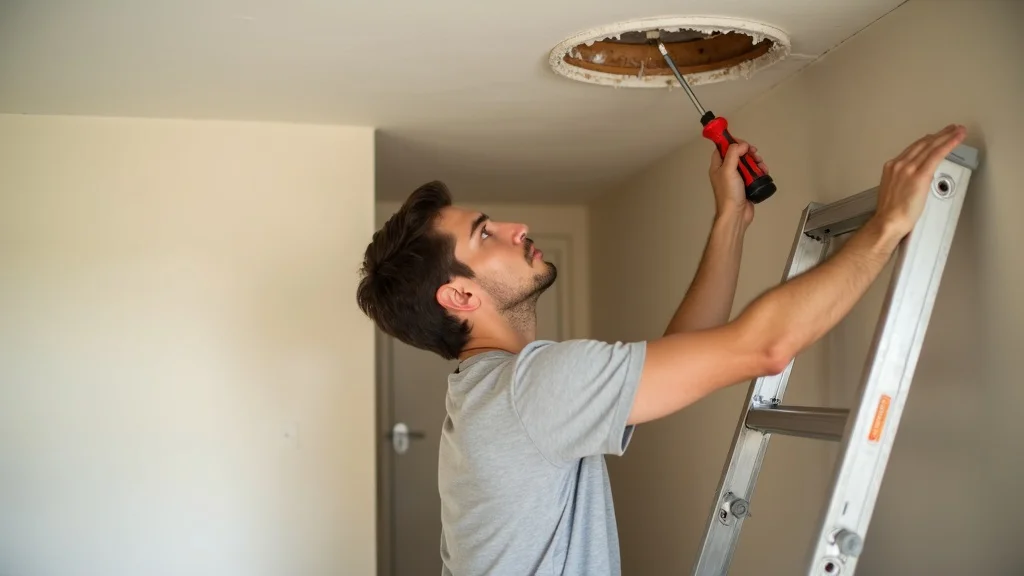
When water pools above drywall and creates a bulging spot, poke a small hole with a screwdriver at the lowest point to create a controlled drain. This must be done only if it’s safe—you want to avoid a collapsed ceiling while containing leaks below with buckets.
-
Once drained, immediately ventilate and dry out the area using fans or a dehumidifier. This will limit mold and further water damage from a leaking roof.
6. Contain and Dry: The “Fix” That Prevents Expensive Secondary Water Damage
-
Even if you can’t patch the exterior right away, containing water indoors using buckets and towels, then starting the drying process, prevents structural issues and mold. Focus fans and dehumidifiers on wet insulation, framing, and drywall to buy more time for a permanent solution.
-
Mesa homes are prone to post-monsoon humidity—failing to dry out these areas increases the risk of hidden water damage. Use a pro-grade dehumidifier if possible.
Pro Tip:“Temporary” is 24–72 hours for any roof leak fix—not weeks.
5 Temporary ‘Fixes’ That Usually Fail (Or Make Your Roof Leak Worse)
-
Caulking random spots on your leaking roof—water travels, so the source of the leak is often missed, allowing continued damage under the layer of roofing felt or tar paper.
-
Using Flex Seal on hot/dusty roofing—even a quick fix, it rarely bonds well in Mesa’s heat and intense UV, and fails fast.
-
Smearing roof tar everywhere—this traps moisture, accelerates future roof leaks, and turns a $200 repair into a major project.
-
Patching from inside the attic only—it’s a temporary patch at best, rarely solving the entry point from above.
-
Walking on wet tile or a steep roof during storms – is a massive safety risk and often cracks the roofing tiles, making the leak and water damage worse. No temporary fix is worth a broken leg or bigger repair.

How to Tell if You Need Emergency Roof Leak Repair vs. a Temporary Roof Leak Fix
-
Active water dripping near electrical wiring or ceiling fixtures—call for emergency help, not a DIY fix.
-
Sagging or bulging ceiling (could collapse if not drained safely!)
-
Multiple leaks or water stains appearing at once
-
Stains that spread rapidly on ceilings or walls—a sign water is pooling or running under the layer of roof deck, roof felt, or drywall.
-
Flat roof ponding or visible overflow outside your home in heavy rain.

What To Do Next: Professional Inspection After Your Temporary Roof Leak Fix
-
Call a local Mesa roof specialist for a same-day emergency leak inspection—they know the roof styles, common damage, and climate quirks here.
-
For a permanent solution, expect your inspector to check flashing, vent penetrations, roof valleys, layers of underlayment, and to trace attic moisture trails for hidden damage.
-
Avoid recurring roof leaks by tackling what’s under the visible layer (like wet attic wood or roof felt), not just what’s on the surface.
People Also Ask: Temporary Roof Leak Fix FAQ
How do you temporarily fix a ceiling leak?
-
Move valuables and electronics out of danger. If you see a bulge in your ceiling, puncture near its center with a screwdriver—carefully, if safe—to create a controlled drain. Catch drips in a bucket and ventilate the space. After, identify and temporarily fix the leaking roof above to stop water from returning.

Does FLEX SEAL work on roof leaks?
-
Not reliably in Mesa’s climate—intense sun, heat, and roof surface dust break down the seal quickly. Use only for the briefest patch on a small, dry roof area if nothing else is available and you’re waiting for a real fix.
How do I stop my roof from leaking in heavy rain?
-
Wait for a safe break in the weather, then cover the damaged area with a large heavy-duty tarp—secured well up the slope, past the leak. Never risk climbing a wet or steep roof yourself in storm conditions. This temporary fix buys valuable time until pro repairs are possible.
Can I apply Roof Maxx myself?
-
No. Roof Maxx is a professional-only spray treatment, requiring trained installers for effectiveness and warranty protection. Don’t use it as a quick fix for roof leaks or attempt DIY application—it won’t solve an active leak.
FAQ: Answering Your Top Temporary Roof Leak Fix Questions
-
How long can I leave a tarp on my roof? 24–72 hours is best for a temporary fix. Longer use can cause the tarp to break down in Mesa’s harsh sun.
-
Will a temporary patch void my insurance claim? Not usually—unless it causes more damage or repair is delayed past a reasonable effort window.
-
Why is the drip far from where the leak is? Water follows framing and drywall, so a roof leak often appears far from the source, making marking locations essential for later pro inspection.
-
Can I use roof cement in the rain? Not recommended—the bond is much weaker. Surfaces must be dry or only slightly damp for the best result.
-
What’s the fastest way to stop a roof leak from inside? Contain water below first, then use an above-roof fix such as a tarp, roof cement, or tape post-storm, only when it’s safe.
Mesa-AZ Specifics: Why Local Roof Leak Problems Need Specialized Temporary Fixes
-
Monsoon-season storms: Wind-driven rain often lifts tiles and flashing. Standard shingle-only quick fix approaches may not work on tile or flat roofs seen in Mesa.
-
Tile & flat roofs: Make up the majority of Mesa homes, each needing different temporary fix priorities (e.g., don’t walk or kneel on fragile tiles).
-
Fast heat swings: Some patch materials, like basic roofing cement or tape, soften or lose adhesion at peak roof temperatures here—choose products designed for high heat and UV.
Key Takeaways: Mastering the Right Temporary Roof Leak Fix
-
Act fast: Limit water spread and mark the leak for fast professional help.
-
Few quick fixes truly work: Tarp, cement, and tape are the proven temporary methods—avoid DIY experiments.
-
Avoid common fails: Such as caulk, overuse of tar, or walking on tiles in storms.
-
Mesa’s climate and roof style matter: Not all “quick fixes” are made equal—choose for tile, flat, or shingle and be aware of UV and heat limits.
-
Always follow up with a professional repair: A temporary solution is just that—real peace of mind comes when the root cause is fixed for good.

Ready for Real Peace of Mind?
“Don’t let a minor roof leak become a five-figure repair. Get the right temporary fix—then let the pros handle the rest.”
-
Call 480-454-6002 for same-day roof leak inspection in Mesa AZ
If you’re ready to move beyond emergency patches and want a comprehensive approach to roof care, consider exploring the full spectrum of services available for Mesa homeowners. From preventative maintenance to advanced leak detection and restoration, Mesa’s comprehensive roofing solutions can help you safeguard your property year-round. Investing in proactive roof management not only prevents future leaks but also extends the life of your roof, giving you lasting confidence through every season. Take the next step toward total peace of mind by discovering how expert support can transform your home’s protection.
Sources
When dealing with a sudden roof leak, implementing effective temporary solutions is crucial to minimize interior damage until professional repairs can be made. One highly recommended method is using a heavy-duty tarp to cover the damaged area, ensuring it extends several feet beyond the leak on all sides. This approach provides a temporary shield against water intrusion. (parkheightsroofing.com)
For smaller leaks, applying roofing tape or sealant can offer a quick fix. These materials create a watertight seal over cracks or small holes, effectively slowing or stopping the leak temporarily. (honestroofingfl.com)
It’s important to remember that these are short-term solutions. Scheduling a professional inspection and repair promptly is essential to address the underlying issues and prevent future leaks.