

Every Mesa homeowner dreads the unmistakable sound: the steady drip… drip… drip… of water inside the house during a downpour. A sudden roof leak is more than an inconvenience; it’s a critical failure in your home’s main line of defense. Ignoring it, even for a day, can lead to severe water damage, ruined insulation, dangerous mold growth, and even a weakened home structure. Acting quickly is essential.
It’s easy to panic during a roofing crisis, but a clear head is your best asset. This guide will walk you through the necessary steps, from assessing the problem’s severity to taking immediate, safe measures to limit the damage. We’ll cover what qualifies as a true emergency roof repair in Mesa, how to apply temporary fixes safely, and when to make the critical call for professional emergency roof repair in Mesa AZ. Let’s get your home protected.
Living in the East Valley means our roofs face unique challenges—from the relentless summer sun to the violent microbursts of the monsoon season. Before diving into our emergency guide, here are a few Mesa-specific tips and resources every homeowner should keep on hand.
Mesa Homeowner Fast-Facts
- The “20-Year” Rule: In Mesa, the heat is often harder on your roof than the rain. While tiles can last 50 years, the underlayment (the waterproof layer beneath) typically fails every 20–25 years due to thermal expansion. If your home was built in the early 2000s, you are in the “red zone” for a leak.
- Monsoon Microbursts: Unlike general rain, Mesa often experiences localized microbursts with winds over 60 mph. These can lift tiles without breaking them, creating “invisible” leaks that only appear during the next big storm. Download a Mesa Monsoon Checklist to protect your home this summer.
- The Pigeon Factor: Mesa’s pigeon population loves the shade under “S” tiles. Their nesting materials can block your roof’s natural drainage (valleys), causing water to back up and enter your home even if your tiles are perfectly intact.
Identifying Common Mesa Roof Emergencies and Leaks
Not every roof issue is a full-blown crisis, but it’s vital to know the difference between minor maintenance and a genuine emergency. An emergency is any situation that immediately threatens your home’s interior and structural safety with water damage or collapse. This often involves sudden roof damage that happens without warning. Understanding the common causes and signs will help you evaluate the situation quickly and accurately.
The most frequent causes of Mesa emergency roof leaks are often dramatic. Severe weather is the top culprit: high winds can tear off shingles, hail can puncture roofing materials, and the weight of heavy snow can make a roof sag or fail.
Another common cause is impact from fallen trees or large branches during a storm. This can create obvious holes and cause unseen structural damage to the roof’s frame. Sometimes, the emergency is less dramatic but just as severe, such as when long-term neglect leads to sudden structural failure or clogged gutters force water under the roofing and into your home.
Recognizing the leaking roof signs is the first step toward a solution. The most obvious indicator is water actively dripping inside your home. However, the signs can also be more subtle. Be on the lookout for:
- Water Stains on Ceilings: Look for yellowish or brownish circular stains on your ceiling or running down your walls. This indicates water has been seeping in for a while and has soaked the drywall or plaster.
- Peeling or Bubbling Paint: Moisture trapped behind paint will cause it to bubble, blister, or peel, especially near the ceiling or high on the walls.
- Visible Exterior Damage: From a safe spot on the ground (use binoculars if needed), look for missing, cracked, or curled shingles. After a hailstorm, you might see dark “bruises” on asphalt shingles where the protective granules have been knocked off.
- Sagging Roof Deck: Any noticeable dip, bow, or sag in the roofline is a serious red flag. It points to a potential structural problem that needs immediate professional assessment.
- Debris in Gutters and on the Ground: Finding a lot of shingle granules (the sandpaper-like material on asphalt shingles) in your gutters or on the ground suggests your roof is aging and its protective layer is wearing down, making it vulnerable to leaks.
When you spot any of these signs, especially after a major weather event, it’s time to act. A quick and correct diagnosis is key to preventing a minor leak from turning into a full-blown disaster that requires extensive and costly repairs.
Immediate Steps for Emergency Roof Repair Mesa
Once you’ve found a leak, your immediate goal is damage control. The steps you take in the first hour can save you thousands of dollars in secondary damage. However, one rule is more important than any other: your personal safety is paramount. Never climb onto a wet, steep, or visibly damaged roof, especially during a storm. Professionals have the training and safety equipment to handle these dangerous conditions; you do not. Focus on what you can do safely from inside your home and from the ground.
Indoor Damage Mitigation
Your first priority is to manage the water coming into your home. Start by placing a large bucket or plastic bin directly under the drip to catch it. To muffle the annoying dripping sound and prevent splashing, place an old towel inside the bucket. If water is spreading across the ceiling, you may need to make a small puncture in the center of the wettest area with a screwdriver. This funnels the water into a single, manageable stream and helps prevent a larger section of the ceiling from collapsing.
Next, move all furniture, electronics, and valuables out of the affected area. If water is near light fixtures or outlets, shut off the power to that part of the house at the breaker box to prevent a serious electrical hazard. Finally, open windows or set up fans to get air circulating, which helps start the drying process and discourages mold growth.
Safe, Temporary Outdoor Fixes
If the storm has passed, the roof is easy to access (e.g., a low-slope, single-story roof), and you feel completely confident doing so safely, a temporary fix can prevent more water from getting in until a professional arrives. The most effective temporary solution is tarping a roof.
To do this correctly, you will need a heavy-duty waterproof tarp large enough to extend at least four feet past the damaged area on all sides. You’ll also need several 2×4 wooden boards and a drill with screws or a hammer and nails. Unfurl the tarp over the damaged section, ensuring it lies flat. To secure it against wind, wrap the edges of the tarp around the 2x4s and screw or nail the boards directly to the roof. This creates a weighted, secure anchor that is far more effective than simply placing bricks on the corners.
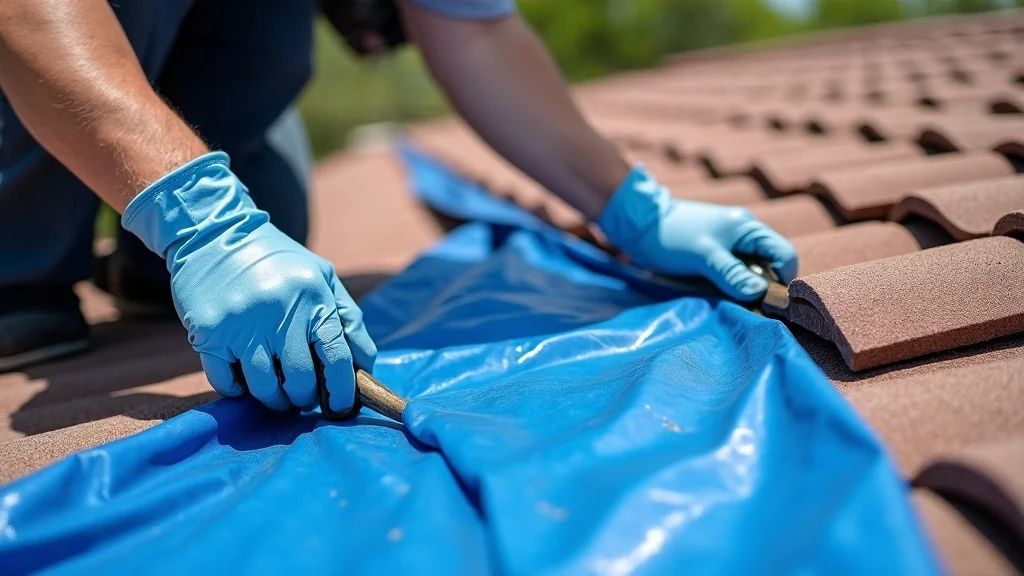
Remember, this is a temporary measure. A tarp is not a permanent solution for an emergency roof leak repair and should be replaced by a professional roof repair contractor in Mesa AZ as soon as possible. For very small, isolated holes, roofing cement can offer a temporary patch, but this isn’t recommended for widespread damage.
When to Call for Professional Emergency Roof Repair
While temporary fixes buy you time, they are no substitute for professional expertise. A lasting, safe, and warrantied repair requires a deep understanding of roofing systems that only a qualified contractor has. Attempting a major DIY roof leak fix can be dangerous and may also void your roof’s warranty or homeowner’s insurance. Professionals can identify the true source of the leak—which may be far from where the water is dripping—and address underlying issues like damaged decking or a compromised underlayment.
Certain situations demand an immediate call to a professional, with no exceptions. If you are dealing with any of the following, pick up the phone right away:
- Extensive Structural Damage: If a tree has fallen on your house, you see a large hole, or any part of your roof is visibly sagging, it is a clear sign of a structural problem. This is beyond a simple leak and requires an expert assessment immediately.
- Uncontrollable Leaks: If water is pouring into your home faster than buckets can contain it, you need an urgent roof service with the equipment and crew to handle a major water event.
- High or Steep Roofs: Any damage on a second-story roof or a roof with a steep pitch should only be handled by professionals with the proper fall protection and safety gear.
- Post-Hurricane or Tornado Damage: The complex, widespread damage caused by extreme weather requires a thorough, professional inspection to identify all points of failure.
When searching for local roofing contractors in a crisis, don’t just hire the first company that answers. Take a few minutes to vet them. Look for a company that offers 24/7 Mesa roof repair and has a reputation for quick response times. Verify they are licensed and fully insured (ask for proof of liability and worker’s compensation insurance). Check online reviews on Google, Yelp, or the Better Business Bureau. Before work begins, insist on a detailed, written estimate that outlines the scope of the repair and all costs.
Finally, ask about their warranties on both materials and workmanship. While you wait for them to arrive, thoroughly document all the damage with photos and videos for your insurance claim. Dwell Roof in Mesa AZ can offer a free estimate, and will respond immediately to emergency roof problems: 480-454-6002
Preventing Future Mesa AZ Roof Emergencies and Tile Damage
The best way to handle a Mesa roof emergency is to prevent it from happening in the first place. Regular maintenance is the most effective strategy for extending your roof’s life and avoiding the stress of a sudden failure. Think of it like regular oil changes for your car; a small investment in preventative care can help you avoid a major breakdown. A professional roof inspection once or twice a year, especially after storm season, can catch small problems before they escalate.
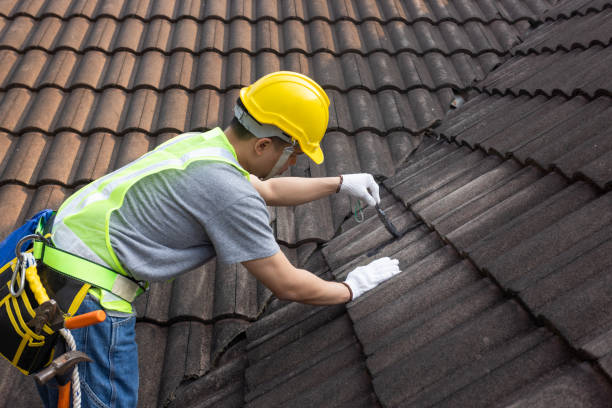
A solid roof maintenance plan includes a few key tasks. First, keep your gutters and downspouts clean. Clogged gutters cause water to back up, where it can seep under shingles or tiles and rot the underlying wood. Second, trim any overhanging tree branches that could fall onto your roof during a storm. Third, address minor issues as soon as you spot them.
A single loose shingle or a small crack in a sealant is a quick, inexpensive fix today but can become a major leak tomorrow.
Preventative measures can also be tailored to your specific roofing material. For common asphalt shingle roofs, this means looking for any shingles that are curling, blistering, or have lost their granules. For homes with tile roofing, proactive care is essential for avoiding the need for emergency roof tile repair. While durable, clay or concrete tiles can crack from impact or extreme temperature changes. A single broken or slipped tile can expose the underlayment, creating a direct path for water. Regularly scan your tile roof for cracked, broken, or out-of-place tiles. On any roof type, pay special attention to the flashing—the metal pieces that seal joints around chimneys and vents—as these are common spots for leaks to start.
Finally, preparing for severe weather is a crucial part of prevention. Before a storm is forecast, secure loose items in your yard like patio furniture and grills that could become airborne. Keep the contact information for your insurance agent and a trusted emergency roofer in an easily accessible place. Taking the time to understand your homeowner’s insurance policy regarding roof coverage will also save you a major headache when you need to make a claim.
Frequently Asked Questions About Emergency Roof Repair
- Q: How quickly should I address a roof leak?
A: Immediately. Water can cause significant damage in a very short time. Mold can begin to grow within 24-48 hours of water getting in. An unaddressed leak can saturate insulation, stain drywall, and eventually weaken the wooden framing, compromising your home’s structure. The faster you act, the less damage you’ll have to repair. - Q: Will my homeowner’s insurance cover emergency roof repair?
A: Most standard homeowner’s insurance policies cover roof damage that is sudden and accidental, such as from a storm, wind, hail, or a fallen tree. However, they typically do not cover damage resulting from neglect or poor maintenance. It’s crucial to review your specific policy and document all damage thoroughly with photos and videos before any repairs begin to support your claim. - Q: Can I fix an emergency roof leak myself?
A: While a homeowner can safely take temporary measures from inside the house (like using buckets) or perform a simple tarping on a low, easily accessible roof, permanent repairs should be left to professionals. A professional roofer has the safety equipment, tools, and expertise to correctly identify the source of the leak and perform a durable, warrantied repair that meets building codes. - Q: What’s the average cost of emergency roof repair?
A: The cost varies dramatically based on several factors: the extent and type of damage, the roofing materials (e.g., asphalt shingles vs. slate or tile), the accessibility of the roof, and your geographic location. A minor repair might cost a few hundred dollars, while extensive structural damage could run into many thousands. The only way to know for sure is to get detailed, written estimates from several reputable contractors. - Q: What should I ask an emergency roofing contractor when I call?
A: When you call, be prepared to ask a few key questions: “What is your estimated response time?”, “Are you a licensed roofing contractor in Mesa AZ, and fully insured in AZ?”, “Can you assist with the insurance claim process?”, and “Do you offer a warranty on your emergency repair work?”. Their answers will help you quickly determine if they are the right fit for the job.
A roof emergency can be one of the most stressful experiences a homeowner can face. The key to navigating it successfully is to act swiftly, prioritize safety, and bring in qualified professionals to ensure the job is done right. By containing the immediate threat and trusting an experienced roofing contractor, you can stop the leak in its tracks and prevent further damage. Once the crisis has passed, committing to a regular maintenance schedule is your best defense against future emergencies.
Don’t let a small drip turn into a disaster. At the first sign of a significant roof leak or damage, protect your property and your peace of mind by contacting a certified, local roofing professional for an immediate assessment and repair.
RESOURCES
Essential Local Links & Resources
- City of Mesa Building Safety: Roofing Permit Requirements – Most Mesa roof replacements require a permit. Ensure your contractor handles this.
- SRP Cool Roof & Insulation Rebates: Save on Upgrades – If you are repairing or replacing your roof, you may qualify for rebates on attic insulation or “cool roof” materials that reflect desert heat.
- AZ Registrar of Contractors (ROC): Verify a License – Never hire a “storm chaser.” Always verify that your Mesa roofer has a valid, active Arizona license.